







Tips for Creating a Relaxing and Productive Home Workspace
Creating a home workspace that is both relaxing and productive can significantly improve your daily work experience. Whether you work remotely full-time or occasionally, your environment plays a huge role in how efficiently and comfortably you can get tasks done. Here are practical tips to help you design a space that supports focus, reduces stress, and inspires motivation.
Choose the Right Location
Selecting the best spot in your home is the first step towards an effective workspace.
– Quiet and Private: Look for a corner or room where interruptions are minimal. A quiet place helps you focus and maintain concentration.
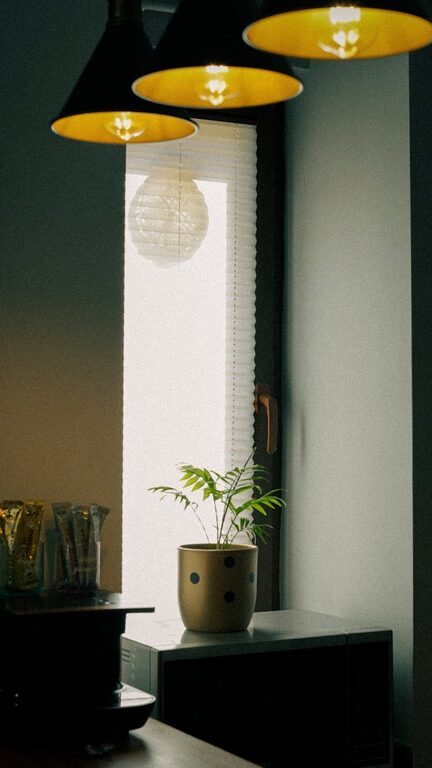
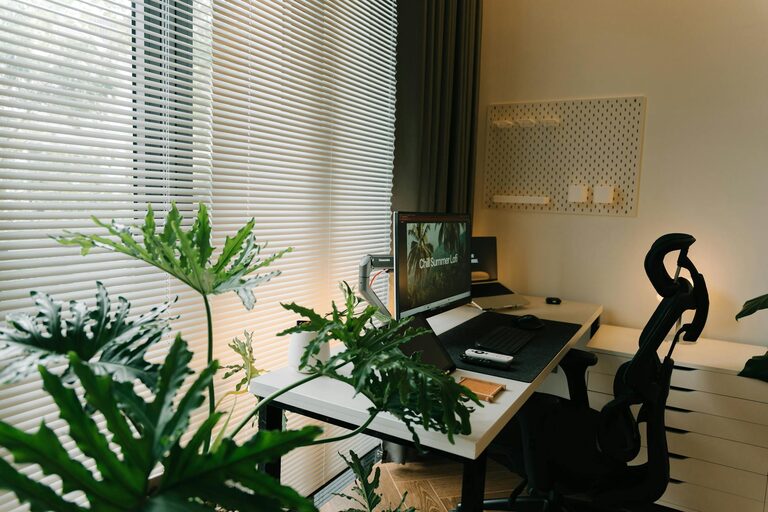
– Good Lighting: Natural daylight is ideal as it boosts mood and reduces eye strain. If that’s not possible, invest in quality task lighting.
– Comfortable Temperature: Make sure the area is not too hot or cold. Comfort can prevent distraction and fatigue.
Invest in Comfortable Furniture
Your furniture affects not only your productivity but also your physical health.
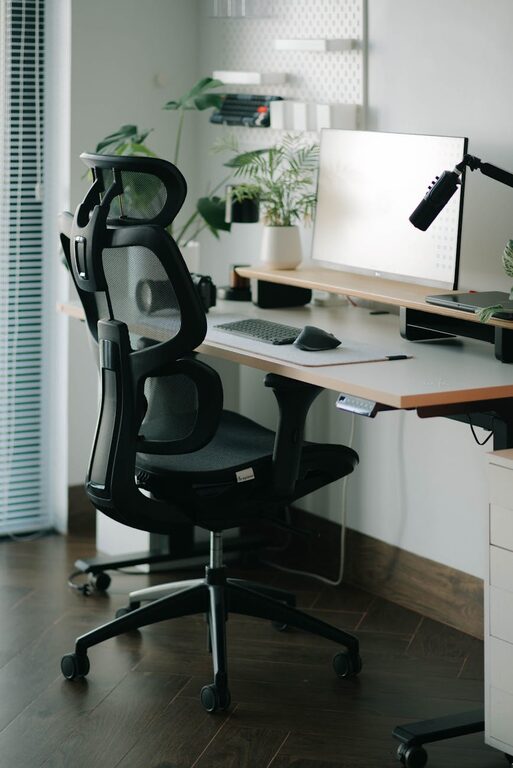
– Ergonomic Chair: A supportive chair with adjustable height and lumbar support encourages good posture.
– Functional Desk: Choose a desk that fits your needs with enough space for your computer, paperwork, and other essentials.
– Consider Standing Desks: Alternating between sitting and standing can help reduce stiffness and improve circulation.
Organise Your Workspace
Clutter can increase stress and reduce your efficiency. Keeping your workspace organised has several benefits.
– Use Storage Solutions: Shelves, filing cabinets, and desk organisers help keep everything tidy and within reach.
– Cable Management: Use clips or sleeves to organise cables, keeping your desk neat and safe.
– Declutter Regularly: Spend a few minutes at the end of each day to clear unnecessary items.
Personalise Your Space
Adding personal touches to your workspace can make it more inviting and less sterile.
– Plants: Greenery can reduce stress and improve air quality.
– Artwork or Photos: Surround yourself with images that inspire or soothe you.
– Comfort Items: A cosy blanket, a favourite mug, or scented candles can make the space feel welcoming.
Minimise Distractions
Distractions reduce productivity and make work feel more tiring.
– Set Boundaries: Let household members know your working hours to avoid interruptions.
– Turn Off Notifications: Silence non-essential alerts on your phone or computer.
– Use Noise-Cancelling Headphones: These can block out background noise and help you stay focused.
Foster Good Habits
Your daily habits can influence how effective your workspace is.
– Take Regular Breaks: Short breaks help maintain concentration and reduce eye strain.
– Keep Essentials Handy: Water, snacks, or a notebook should be easy to reach to avoid frequent interruptions.
– Create a Routine: Start and end work at the same time to separate work-life balance.
Optimise Technology
Technology supports productivity when chosen and used wisely.
– Reliable Internet: Ensure your connection is stable to avoid frustration.
– Efficient Devices: Use computers and peripherals that meet your work requirements.
– Useful Software: Organise tasks and communication with apps designed for productivity.
Pay Attention to Colour and Ambience
Colours and atmosphere impact mood and motivation in subtle ways.
– Choose Calming Colours: Soft blues, greens, or neutrals create a peaceful atmosphere.
– Keep the Area Well-Ventilated: Fresh air helps keep you alert and comfortable.
– Adjust Lighting: Use adjustable lights to control brightness depending on the task.
Maintain Work-Life Balance
A home workspace can blur boundaries between work and personal time.
– Designate a Workspace: Avoid working from the sofa or bed to keep work separate.
– End the Day with a Routine: Switch off your work devices and tidy your workspace to signal the end of work.
– Use Your Space for Work Only: As much as possible, reserve your desk or office area exclusively for work tasks.
—
By thoughtfully setting up your home workspace, you can create an environment that is both restful and conducive to productivity. Small changes such as improving lighting, organising your desk, and adding personal touches can make a big difference in how you feel and perform throughout the workday. Take the time to tailor your space to your needs, and you may find your work-from-home experience more enjoyable and efficient than ever before.