



Tips for Creating a Relaxing and Productive Home Office Environment
Creating a home office that is both relaxing and productive can be a real game-changer, especially as more people work from home. A well-designed workspace not only helps you stay focused but also reduces stress and enhances your overall well-being. Whether you have a dedicated room or just a nook in your living area, these tips will help you build an environment where productivity and relaxation go hand in hand.
Set a Dedicated Workspace
Choose the Right Spot
Pick a space in your home that is quiet and free from distractions. Ideally, this should be an area that you can associate solely with work. Avoid places where you usually relax, such as your bedroom or TV area, to help your mind maintain a clear boundary between work and leisure time.
Separate Work from Home Life
Even if your home office is small, try to physically separate it from living spaces. Using a room divider or an organised desk arrangement can help create a distinct zone. This separation supports better focus during working hours and a clearer switch-off when your workday ends.
Invest in Comfortable and Functional Furniture
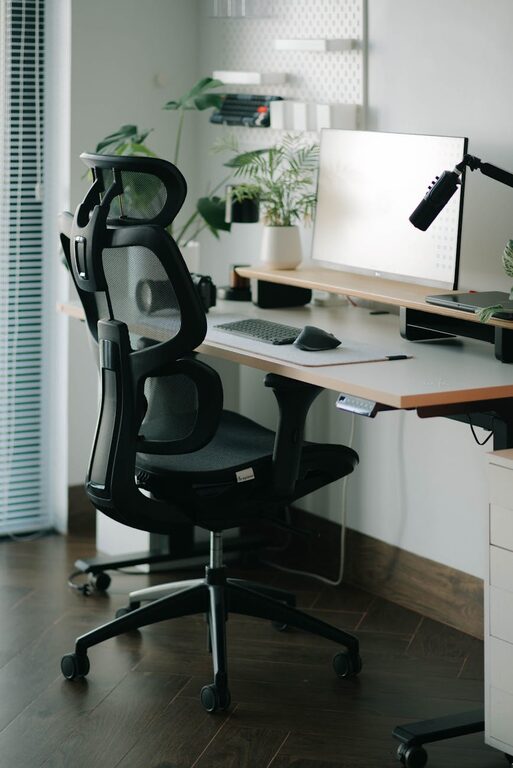
Ergonomic Chairs and Desks
Comfort is essential when you spend hours at your desk. Invest in a chair that supports good posture, with adjustable height and lumbar support. Your desk should be the right height to avoid slouching or muscle strain.
Organise Your Desk Space
Keep your workspace tidy by using storage solutions like shelves, drawers, or organisers for stationery. A clutter-free environment reduces stress and helps keep your mind clear.
Optimise Lighting
Make the Most of Natural Light
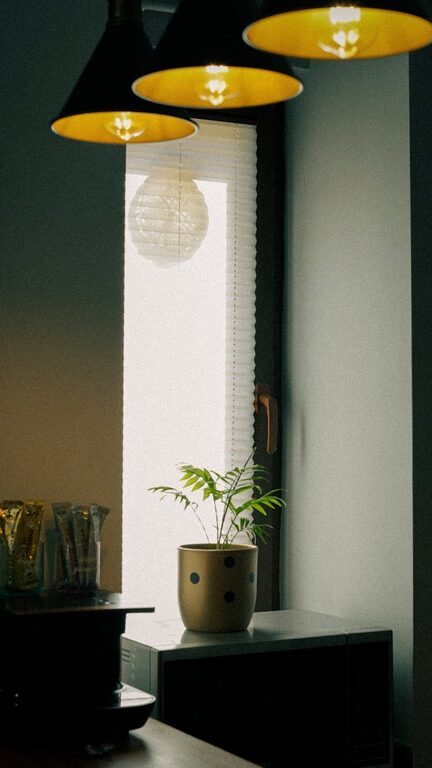
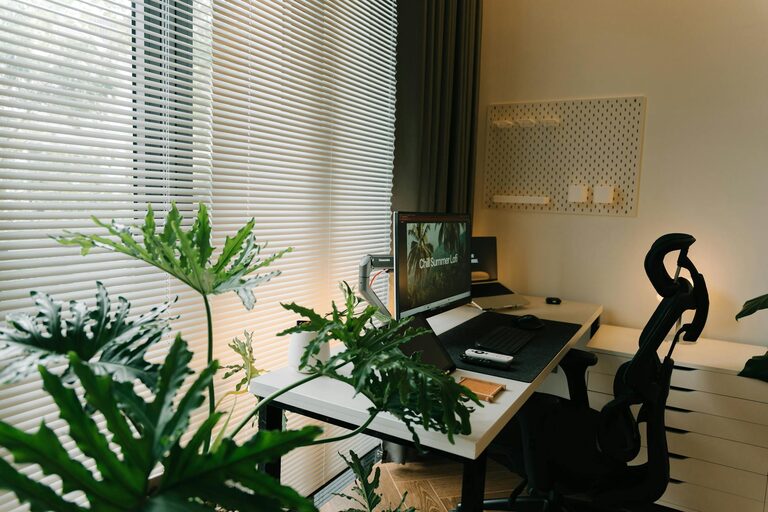
Natural light boosts mood and alertness. Position your desk near a window if possible, but ensure the light doesn’t cause screen glare. If your workspace lacks natural light, try using a daylight lamp that mimics sunlight.
Use Task Lighting
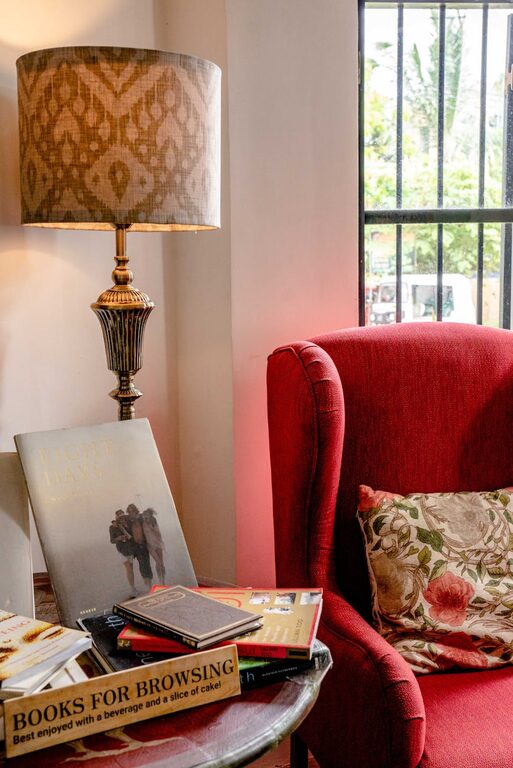
A good desk lamp with adjustable brightness allows you to control your lighting according to the time of day and task. Proper lighting reduces eye strain and keeps you more comfortable during long work hours.
Personalise Your Space, but Keep It Uncluttered
Add Personal Touches
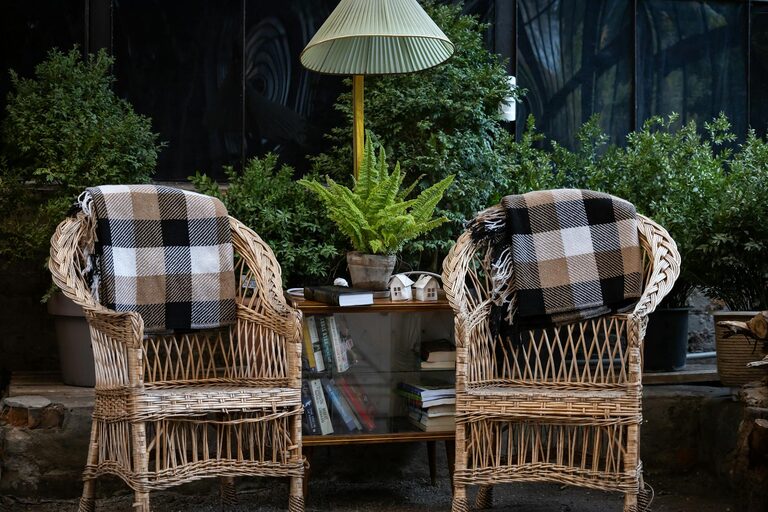
Incorporate items that inspire you, such as plants, artwork, or photographs. Greenery can improve air quality and create a calming atmosphere.
Avoid Overcrowding
While personalising your space is important, too many items on your desk or walls can be distracting. Aim for a balance between character and simplicity.
Create a Calming Atmosphere
Use Soothing Colours
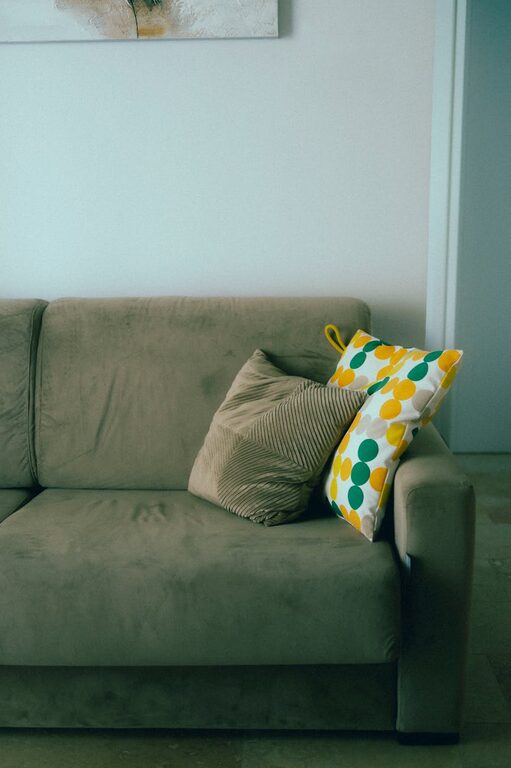
Colours can influence your mood and productivity. Soft blues, greens, or neutral tones tend to have a calming effect. Avoid overly bright or harsh colours that can be tiring over time.
Incorporate Relaxing Elements
Consider adding a small diffuser with essential oils like lavender or eucalyptus, known for their calming properties. Background sounds, such as gentle instrumental music or white noise, can also enhance focus.
Establish Daily Routines and Boundaries
Set Working Hours
Define your start and finish times to separate work from personal life. Maintain consistency to build a rhythm that helps your brain switch between work and relaxation modes.
Take Regular Breaks
Short breaks every hour help reduce fatigue and maintain concentration. Use your breaks to step away from your desk, stretch, or do something enjoyable.
Minimise Distractions
Turn off non-essential notifications and keep your phone out of reach if possible. Inform household members of your working hours to limit interruptions.
Use Technology Wisely
Choose the Right Tools
Invest in reliable hardware and software that support your work. Having fast internet and backup options like a second monitor or keyboard can streamline tasks.
Keep Digital Spaces Organised
Just like your physical desk, organise your computer desktop and files. Use folders and clear naming habits to find documents quickly, reducing frustration.
Keep the Air Fresh and Maintain Room Temperature
Ventilation Matters
Ensure your home office is well ventilated. Fresh air helps you stay alert and reduces stuffiness, which can cause discomfort.
Adjust Temperature
Aim for a comfortable temperature, ideally between 18-22°C. Use fans or heaters as needed to maintain a pleasant environment.
Final Thoughts
Creating a home office that balances relaxation and productivity is about thoughtful planning and personalisation. Small changes—from lighting and furniture to colour schemes and routines—can make a big difference in how you feel and perform throughout the day. Design a space that supports your work style and well-being, and your home office will become a place you enjoy spending time in.